At Back to Farms, we believe in transparency, freshness, and healthy choices. Understanding the differences between organic vs. conventional produce is essential for making informed decisions for your family’s health, taste, and the environment.
What Is Organic Produce?
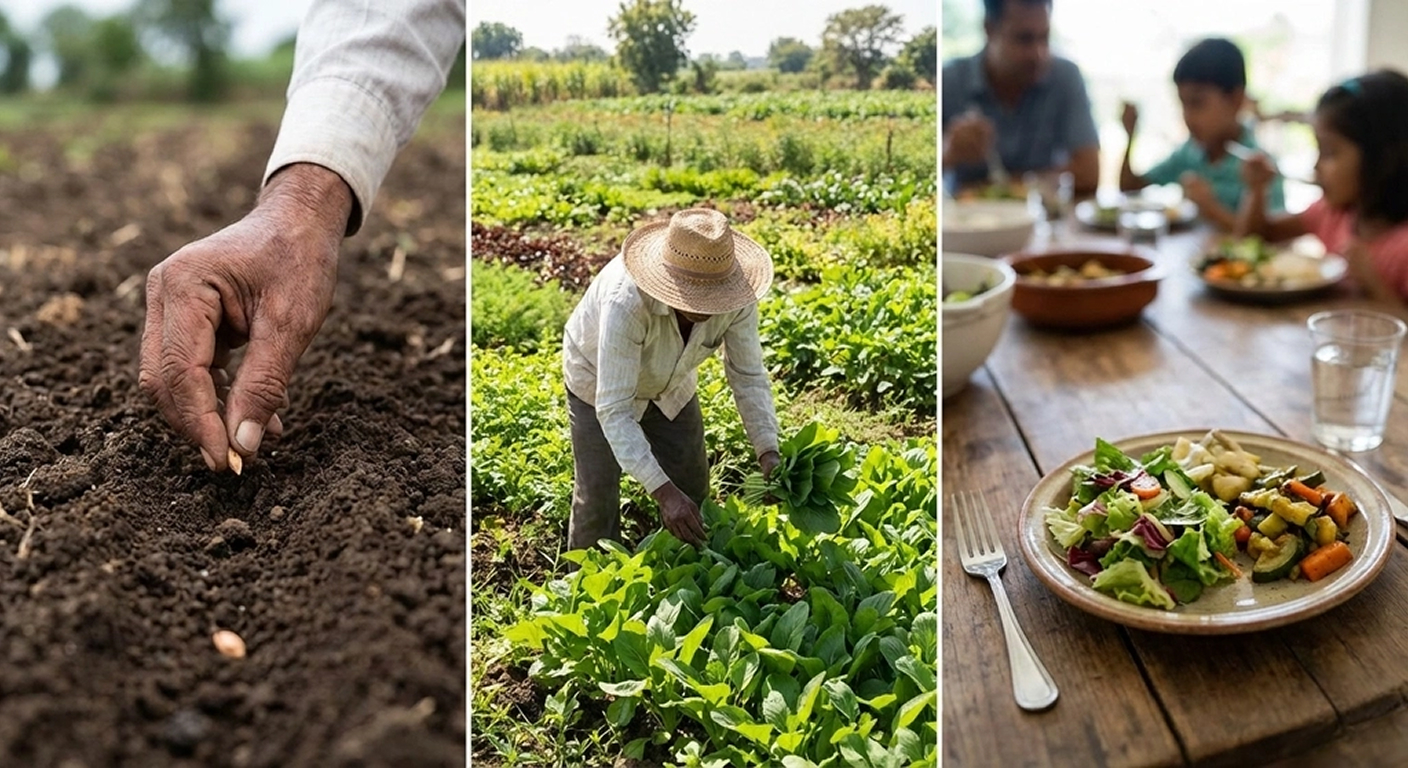
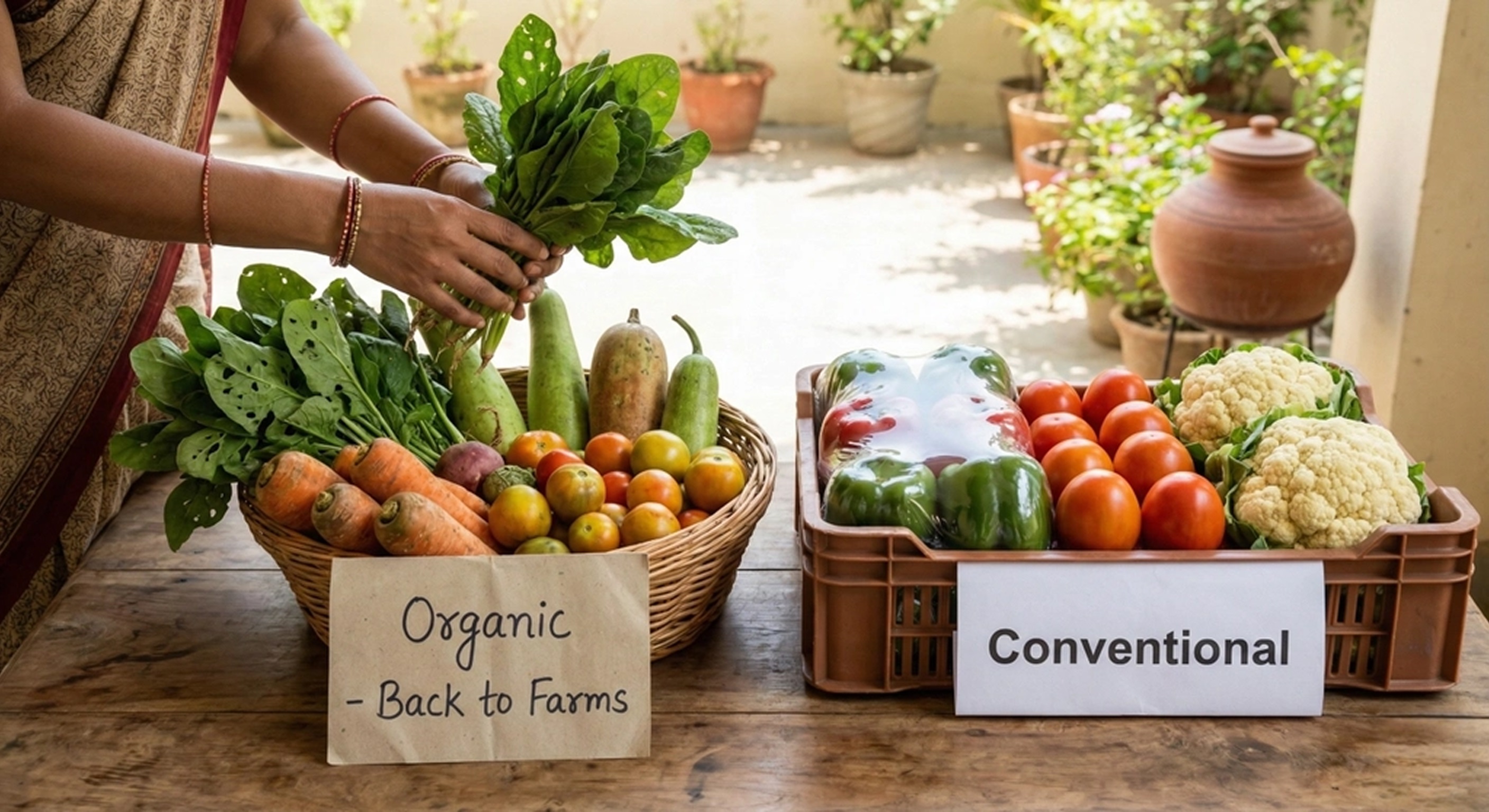
Organic produce is cultivated without synthetic fertilizers, pesticides, or genetically modified organisms (GMOs). Organic farming emphasizes the health of the soil, ecosystem, and consumers, producing fruits and vegetables that are as close to nature as possible.
Key aspects of organic farming include:
- Soil Enrichment: Using compost, manure, and natural fertilizers to maintain nutrient-rich soil.
- Pest Management: Employing companion planting, natural predators, and plant-based sprays instead of harmful chemicals.
- Biodiversity & Sustainability: Rotating crops, maintaining natural habitats, and promoting ecological balance.
What Is Conventional Produce?
Conventional produce is grown using synthetic fertilizers, pesticides, and sometimes growth hormones to maximize yield and appearance. While it is widely available and cost-effective, it has some trade-offs:
- Chemical Residues: Potential traces of pesticides and fertilizers may remain on produce.
- Soil Degradation: Intensive farming can deplete nutrients and reduce microbial diversity.
- Storage & Transport: Often harvested before peak ripeness to endure long transport, which can reduce flavour and nutrient density.
Conventional methods prioritize quantity and shelf-life over environmental sustainability.
Nutritional Value Comparison
Studies suggest that organic produce may contain slightly higher levels of vitamins, minerals, and antioxidants due to healthier soil and longer growing times.
| Nutrient | Organic Produce | Conventional Produce |
| Vitamin C | High | Moderate |
| Antioxidants | Elevated | Lower |
| Omega-3 in leafy greens | Higher | Lower |
| Polyphenols | Higher | Lower |
Opting for fresh, seasonal produce like the weekly boxes from Back to Farms ensures maximum nutrient retention and better overall health.
Pesticide Residues
One of the main differences between organic and conventional produce is pesticide exposure.
| Type of Produce | Pesticide Residue Risk |
| Organic | Very Low – Natural pest control methods |
| Conventional | Moderate to High – Synthetic chemical residues |
Reducing pesticide intake is especially important for:
- Children and infants – who are more vulnerable to chemicals.
- Pregnant women – to minimize exposure to harmful substances.
- Individuals with chemical sensitivities – who may experience reactions.
At Back to Farms, all produce is chemical-free, ensuring safety for your family.
Health Benefits
Eating organic produce supports healthy eating by minimizing exposure to synthetic chemicals and offering richer nutrients. Health benefits include:
- Better Immunity: Higher antioxidant content strengthens the body’s natural defences.
- Improved Digestion: Chemical-free, fibre-rich vegetables promote gut health.
- Reduced Toxic Load: Lower pesticide residues reduce long-term exposure to harmful compounds.
By choosing seasonal, fresh produce delivered directly from local farms, you maximize these health benefits while enjoying the flavours of nature.
Taste Comparison
Taste can be a defining factor when choosing between organic vs. conventional produce. Organic fruits and vegetables are typically:
- Richer in flavour: Grown naturally, they develop full sweetness and aroma.
- Better texture: Freshly harvested produce retains crispness and juiciness.
- More diverse in varieties: Farms often grow heirloom or specialty varieties not found in supermarkets.
Try the difference yourself with Back to Farms’ subscription boxes to taste the farm-fresh advantage.
Environmental Impact
Organic farming practices have a positive impact on the environment, while conventional farming can contribute to ecological problems.
| Environmental Factor | Organic | Conventional |
| Soil Health | Maintained & enriched | Often degraded |
| Water Quality | Protected | Risk of contamination |
| Biodiversity | Encouraged | Often reduced |
| Carbon Footprint | Lower – local sourcing | Higher – long transport & industrial methods |
Supporting organic produce means contributing to sustainable farming, water conservation, and biodiversity preservation.
Making the Right Choice
When deciding between organic vs. conventional produce, consider:
- Health priorities: Do you want chemical-free, nutrient-rich options?
- Environmental concerns: Are sustainability and biodiversity important to you?
- Budget & convenience: Organic produce may cost more but is worth the long-term benefits.
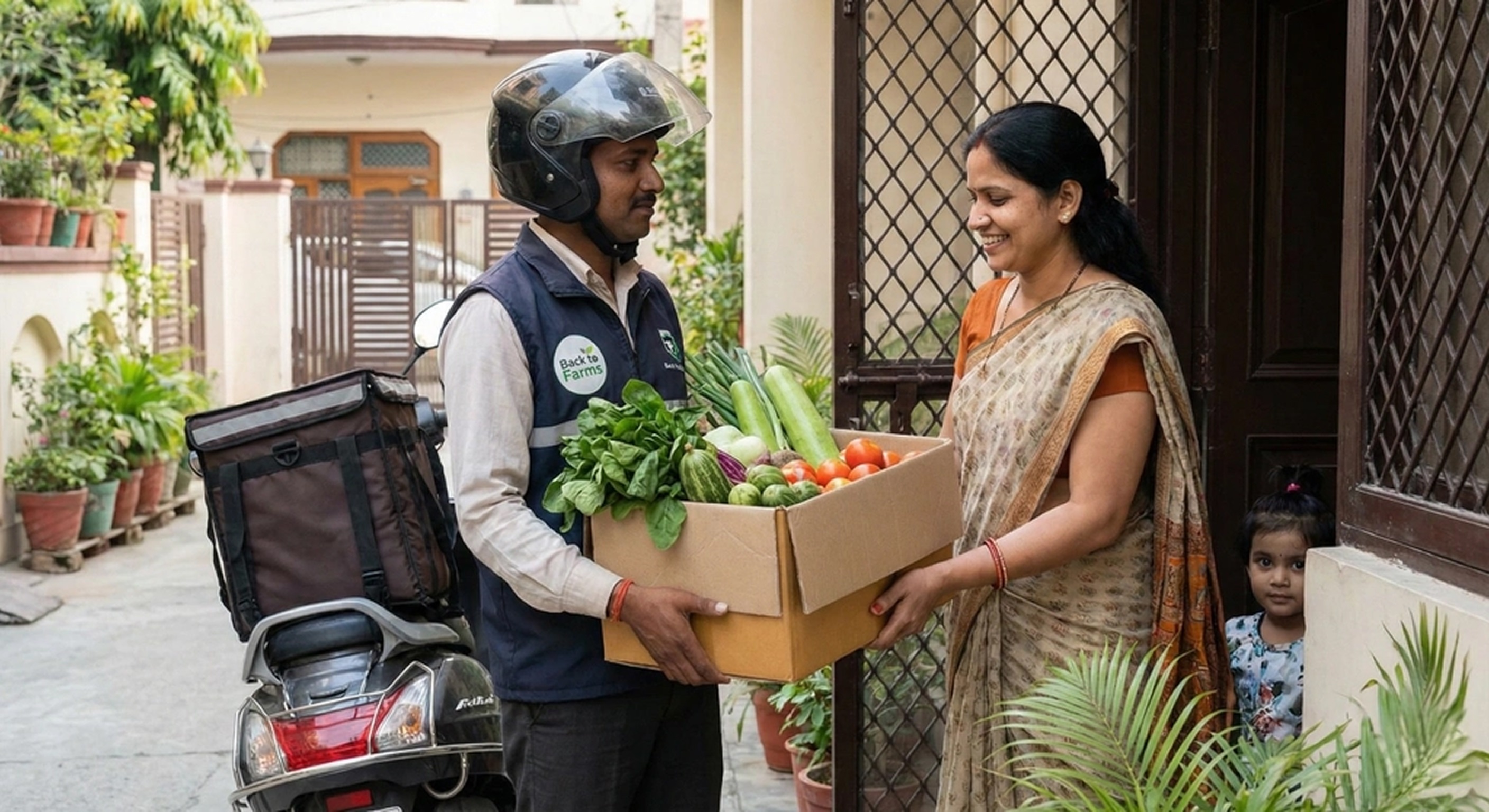
At Back to Farms, we deliver chemical-free, organic produce directly from local farms, combining freshness, taste, and sustainability.
FAQs: Organic vs. Conventional Produce
Q1. Is organic produce always healthier than conventional?
Organic produce often contains higher antioxidants and lower pesticide residues, supporting healthier eating, but both can be nutritious when fresh and seasonal.
Q2. Does organic produce taste better?
Yes, hand-picked, fresh organic produce often has stronger flavours, better texture, and natural sweetness.
Q3. Is it more expensive to buy organic?
Organic produce can be pricier due to labour-intensive practices, but subscription models like Back to Farms make it affordable and convenient.
Q4. Can conventional produce be part of a healthy diet?
Yes, especially if you wash and prepare it properly and eat seasonal fruits and vegetables.
Q5. How does organic farming help the environment?
Organic farms reduce chemical runoff, maintain soil health, conserve water, and support biodiversity, unlike many conventional practices.
Conclusion
Understanding organic vs. conventional produce helps you make informed decisions for your health, taste preferences, and environmental impact. With Back to Farms, you can enjoy fresh, chemical-free, organic produce delivered straight to your doorstep, supporting local farmers and sustainable agriculture.
Experience the difference in taste, nutrition, and sustainability - subscribe to Back to Farms today!